

Few things ruin a summer cookout faster than a dry, crumbly burger. You fire up the grill, flip the patties, and by the time the buns are toasted, the burgers have lost all their moisture. It doesn't have to be that way. Whether you are cooking for the family or prepping for a backyard competition, understanding a few key techniques makes all the difference. This guide covers everything from selecting the right ground beef to using an injection, timing your salt, managing grill temperature, and knowing exactly when to flip for juicy grilled burgers.
Start with the Right Ground Beef
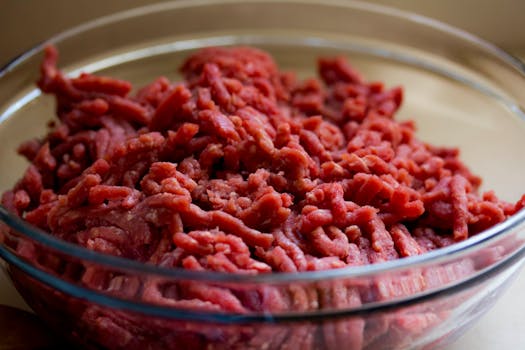
The foundation of a juicy burger is the meat itself. Many home cooks reach for lean ground beef to save on fat and calories, but that decision often leads to dry burger patties. An 80/20 blend, 80 percent lean meat and 20 percent fat, provides enough fat to keep the burger moist as it cooks. Leaner grinds dry out faster because there simply isn't enough fat to baste the meat from within. If you can find Wagyu beef burgers, the extra marbling delivers an even richer, juicier result.
Once you've chosen your beef, avoid the temptation to add ice cubes or extra liquid to the mix. That technique creates a watery texture rather than keeping the fat cold. Instead, focus on keeping the fat content high and the patties cold until they hit the grate.
Keep Patties Cold Until Grilling
Temperature management starts before the grill is even lit. Shaped burger patties should stay in the refrigerator right up until the moment they go on the heat. Cold patties hold their shape better and help grilled burgers stay flat instead of puffing up. When fat renders out too early, it drips into the fire instead of staying inside the burger, leaving you with a dry puck. Simply forming the patties and chilling them for at least 30 minutes gives you a head start on juiciness.
The Frozen Butter Trick for Extra Insurance
One proven method for keeping burgers moist, even if you accidentally overcook them, is mixing frozen grated salted butter into the ground beef. Use about four tablespoons of frozen butter per pound of meat. Grate the butter on a box grater while it is still frozen, then gently work the shreds into the beef without overmixing. As the burger cooks, the butter melts and bastes the meat from the inside, adding both moisture and flavor. This trick is especially useful if you are cooking for a crowd with different doneness preferences.
Boost Moisture with an Injection
Unfortunately injecting ground beef is not going to accomplish anything. So the next best method is to mix a small amount of Liquid Brisket Injection into the ground beef while forming the patties. This adds great flavor from the inside all the way to the surface. 
Season Just Before the Grill
Timing your salt is critical. Salt draws moisture out of meat through osmosis. If you season your patties too early and let them sit, the salt will pull juices to the surface, where they will evaporate or drip off. That is why many experts recommend salting both sides of the burger patty just before they hit the grill. The salt has time to season the exterior during cooking without robbing the interior of moisture.
Butcher BBQ Texas Bark SPG (Salt, Pepper, Garlic) is an excellent choice for this last-minute seasoning. Its coarse texture creates a flavorful crust while the salt penetrates the surface during the first few minutes of grilling. Sprinkling Texas Bark SPG on both sides right before placing the patties on the grate ensures that you get the seasoning benefit without the moisture loss that comes from early salting.
Shape Patties with a Thumb Divot
Even cooking is another key to juiciness. As burgers cook, the center of the patty tends to bulge, creating a dome that cooks unevenly and forces juices toward the edges. Pressing a thumb divot into the center of each raw patty, about the size of a quarter, prevents this puffing. The divot flattens out during cooking, leaving you with a uniform thickness that cooks evenly from center to edge. This simple step helps the entire patty reach the desired internal temperature at the same time, reducing the risk of an overcooked, dry perimeter and helping you make the perfect burger.
Manage Grill Grate Temperature
The heat of the cooking grate affects how quickly the exterior sears and how much moisture is lost. For 1/3-pound patties, a direct medium-high heat works best. This temperature is hot enough to create a good sear in three to four minutes per side, but not so hot that the outside burns before the inside is done. If your grill runs too hot, the fat will render and drip away rapidly. If it is too low, the burger will steam rather than sear, and it will take longer to reach the safe temperature, allowing more moisture to escape.
Use a grill thermometer to check the grate temperature. You are aiming for roughly 375 to 400 degrees Fahrenheit over the direct heat zone. If using a charcoal grill, spread the coals evenly for consistent heat. On a gas grill, preheat with the lid closed for at least ten minutes, then adjust the burners to maintain medium-high heat.
Flip Once, and Don't Press
Every time you flip a burger, you lose some juices that have pooled on the surface. Flipping repeatedly also breaks the sear and extends cooking time. The best practice is to flip exactly once, halfway through the cooking process. For a 1/3-pound patty over medium-high heat, that means three to four minutes on the first side, then a single flip for another three to four minutes on the second side.
Resist the urge to press down on the patty with a spatula. That squeezes out the flavorful juices that should stay inside. If you see flare-ups from dripping fat, move the patty to a cooler part of the grate briefly, but never press. Let the burger cook undisturbed except for that one flip.
Use an Instant-Read Thermometer
Doneness is the final variable that determines juiciness. Overcooking is the most common reason burgers dry out. An instant-read thermometer takes the guesswork out of the process. Insert the probe into the side of the patty, not the top, to get a reading from the center.
Use these internal temperature targets for optimal doneness:
| Doneness | Internal Temperature |
|---|---|
| Rare | 120°F |
| Medium-rare | 130°F |
| Medium | 140°F |
| Well-done | 160°F |
Keep in mind that the patty will continue to rise a few degrees after you pull it off the grill, so remove it about five degrees below your target. Let the burgers rest for a couple of minutes before serving. This short rest allows the juices to redistribute throughout the meat instead of running out onto the plate. For a medium burger or medium burgers, this step is especially important.
Putting It All Together
A juicy burger is the result of several small decisions made before, during, and after grilling. Start with an 80/20 blend or a high-marbled Wagyu beef. Keep the patties cold until they hit the heat. For extra insurance, mix in frozen grated butter or use Butcher BBQ Original Injection. Season with Texas Bark SPG just before grilling to build a crust without draining moisture. Press a divot in the center, cook over medium-high heat, flip only once, and always use a thermometer to pull the patties at the right temperature. Each step works together to lock in moisture and deliver a burger that stays juicy from the first bite to the last.
Whether you are a backyard weekend cook or a competitor aiming for callbacks, these techniques are proven to work. Trust your Butcher BBQ products to add the flavor and moisture your burgers deserve, and enjoy the best grilled burgers of the season.
Frequently Asked Questions
Can I inject store-bought ground beef patties?
No, but work gently to avoid breaking the meat apart. Mix a small amount of Butcher BBQ Original Injection into several spots while forming the patty, then refrigerate for at least 15 minutes before grilling. This adds moisture and flavor even to basic store-bought beef.
Do I need to let the salt sit on the burger before grilling?
No. Salt pulls moisture out of meat over time, so it is best to season just before the patties hit the grill. Sprinkling Texas Bark SPG on both sides immediately before cooking gives you the flavor benefit without drawing juices out prematurely.
How do I know when my grill is at medium-high heat?
Hold your hand about five inches above the cooking grate. If you can keep it there for only 2 to 3 seconds before pulling away, the heat is medium-high. Alternatively, use a grill grate thermometer to confirm a range of 375 to 400 degrees Fahrenheit.
Can I add other seasoning to Texas Bark SPG?
Texas Bark SPG is already a balanced blend of salt, pepper, and garlic. You can layer additional rubs or spices, but keep in mind that adding extra salt could make the burger too salty if you have already injected or salted the patty. Taste your injection and adjust accordingly.
How do I keep hamburgers from drying out on the grill?
Use 80/20 ground beef, keep the burger patties cold, cook over medium-high heat, flip once, and pull them with an instant-read thermometer before they overcook. A short rest after grilling also helps the juices stay in the burger.


