
Sort + Filter
Beef BBQ Injections, Rubs & Sauces for Brisket, Ribs & More — Butcher BBQ
Formulated by World Champion Pitmaster David Bouska
Beef runs on different rules. A brisket flat needs moisture locked in before a 12-hour cook even starts. Beef ribs need a bark that holds through a long stall without softening. Butcher BBQ's beef collection covers every cut with injections, rubs, and sauces developed by World Champion pitmaster David Bouska specifically for the way beef takes smoke. The Prime Brisket Injection and Original Brisket Injection use a phosphate-enhanced formula to retain moisture through the full cook. The Texas Bark SPG and Steak and Brisket Rub build the kind of dark, tight bark that wins KCBS competitions. And the BBQ Mud Brisket Mop adds a finishing layer of flavor during the cook that keeps the exterior from drying out on long smokes. The full beef kit — proven on the biggest cuts in the pit.
26%


19%


33%


29%



34%


27%


34%


34%


34%


34%


25%


10%


10%


37%



30%


17%

$6.99
30%


34%


$14.99 | $22.65


31%


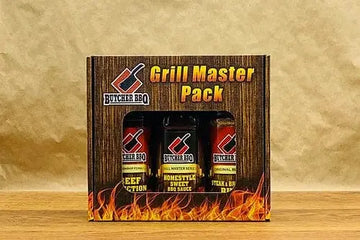
Beef BBQ Injections, Rubs & Sauces for Brisket, Ribs & More — Butcher BBQ
Beef runs on different rules. A brisket flat needs moisture locked in before a 12-hour cook even starts. Beef ribs need a bark that holds through a long stall without softening. A tri-tip needs seasoning that enhances the natural richness of the fat without masking it. Butcher BBQ's Beef Essentials collection covers every cut with injections, rubs, and sauces developed by World Champion pitmaster David Bouska specifically for the way beef takes smoke. The Prime Brisket Injection and Original Brisket Injection use a phosphate-enhanced formula to retain moisture through the full cook. The Texas Bark SPG and Steak and Brisket Rub build the kind of dark, tight bark that wins KCBS competitions. And the BBQ Mud Brisket Mop adds a finishing layer of flavor during the cook that keeps the exterior from drying out on long smokes. This is the full beef kit — proven on the biggest cuts in the pit.
Ask the Pitmaster
What's the best Butcher BBQ injection for brisket, and how do I use it?
Butcher BBQ's Prime Brisket Injection is David Bouska's competition-proven formula for KCBS brisket. Mix at 1 tablespoon per cup of beef broth or water, then inject the flat in a grid pattern every 1–2 inches, using 1–2 oz of liquid per pound of meat. Focus injection volume on the flat — the point has enough intramuscular fat to stay moist on its own. Wrap the brisket and refrigerate for at least 4 hours after injection before applying your rub and loading it on the smoker at 225–250°F.
How do I build a competition brisket bark that holds through a 12-hour cook?
Butcher BBQ's Texas Bark SPG — a coarse salt, pepper, and garlic blend — is David Bouska's foundation for competition brisket bark. Apply at 1–2 tablespoons per pound, press the rub firmly into the fat cap and flat, and cook unwrapped at 225–250°F until the bark sets and the brisket reaches an internal temperature of 165–170°F. At that point, wrap in butcher paper — not foil — to preserve the bark's texture while the brisket finishes to 200–205°F. Foil traps steam and softens the crust; butcher paper lets it breathe.
What is BBQ Mud and how does it work on a long brisket cook?
Butcher BBQ's BBQ Mud Brisket Mop is a paste-style mop sauce developed by David Bouska to add a flavor layer to the exterior of the brisket during the cook without washing off the rub. Apply a thin coat to the brisket surface 2–3 hours into the cook, before the bark fully sets. The Mud's fat and seasoning base bonds to the rub layer and builds additional depth as the cook progresses. It's particularly effective on the flat, where the leaner muscle is most prone to drying out during a long smoke.
Which Butcher BBQ rub works best on beef ribs versus brisket?
For beef ribs, David Bouska recommends Butcher BBQ's Steak and Brisket Rub — a bold, peppery blend with a coarser grind that adheres well to the thick fat cap on beef plate ribs and builds a dark, crackling bark during a 6–8 hour cook. For brisket, the Texas Bark SPG gives a cleaner, more traditional Texas-style profile that lets the beef flavor lead. Both rubs are applied at 1–2 tablespoons per pound and work best when pressed firmly into the meat surface rather than dusted on lightly.