Butcher BBQ
Apr 2, 2026
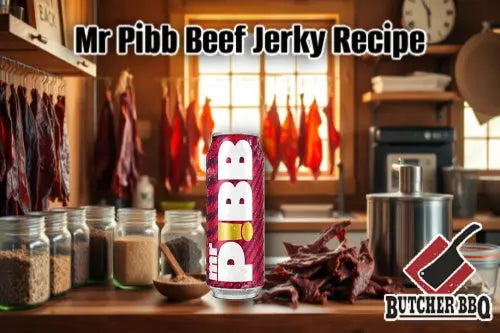
Mr Pibb Beef Jerky
If you're a barbecue enthusiast who loves experimenting with unique flavors and unconventional ingredients, then you're in for a treat. Today, we're diving deep into the world of Mr Pibb beef jerky – a delicious and surprisingly sophisticated homemade snack that combines the bold, spicy notes of a classic soda with tender, smoky beef. This isn't your average jerky recipe. It's a creative fusion that brings together the expertise of championship BBQ masters with the nostalgic, complex flavors of a beloved soft drink.
Making beef jerky at home might seem intimidating at first, but trust me, once you understand the process and get the hang of the marinade, you'll be producing jerky that rivals anything you can buy at the store. And when you add the distinctive taste of Mr Pibb to the mix, you're creating something truly special – a snack that'll have your friends and family asking for your secret recipe.
In this comprehensive guide, we'll explore everything you need to know about making Mr Pibb beef jerky. We'll talk about what Mr Pibb is, where to find it, how to select the perfect cut of beef, the exact recipe for the marinade, marinating times, cooking methods, and proper storage techniques. By the end of this article, you'll have all the knowledge you need to create restaurant-quality jerky right in your own kitchen.
What is Mr Pibb Soda?
Before we jump into the jerky-making process, let's take a moment to understand what Mr Pibb actually is. If you've never heard of it or haven't had it in years, you're not alone. Mr Pibb is a cola-like soft drink that's been around since 1972, created by The Coca-Cola Company as a competitor to Dr Pepper. It's a spiced cola beverage with a unique flavor profile that sets it apart from regular colas.
The taste of Mr Pibb is often described as having warm spice notes, with hints of vanilla, cherry, and a subtle peppery finish. It's sweeter than many colas but has a complexity that makes it interesting to drink on its own. The spice blend in Mr Pibb is what makes it perfect for our jerky project. Those warm spices – which include allspice, cinnamon, and other secret ingredients – create a depth of flavor that works beautifully with beef.
What makes Mr Pibb particularly interesting for cooking is that it's not just a sweet beverage. The spice component means that when you reduce it or use it as a marinade base, you're not just adding sweetness to your meat. You're adding complexity, warmth, and a subtle heat that complements the natural flavors of beef perfectly. The carbonation also helps tenderize the meat slightly, which is a bonus when you're making jerky.
The flavor profile of Mr Pibb is somewhat nostalgic for many people, especially those who grew up in the 1980s and 1990s. It has a retro quality that makes using it in a modern jerky recipe feel both fun and sophisticated. You're taking something familiar and transforming it into something new and exciting.
Finding Mr Pibb: A Regional Challenge
Here's where things get interesting – and potentially challenging. Mr Pibb is kinda hard to find in certain parts of the country. While it's widely available in some regions, particularly in the South and Southwest, it can be surprisingly difficult to locate in other areas. This is one of the first hurdles you might face when deciding to make Mr Pibb beef jerky.
The availability of Mr Pibb varies significantly depending on where you live. In states like Texas, Oklahoma, Arkansas, and Louisiana, you'll find it readily available in most grocery stores, convenience stores, and gas stations. However, if you live in the Northeast, Pacific Northwest, or some parts of the Midwest, you might have to search a bit harder.
So where can you find Mr Pibb if it's not readily available in your area? Here are some options:
First, check your local grocery stores, particularly larger chains. Even if they don't stock it in the regular soda aisle, they might have it in a specialty or regional section. Some stores dedicate shelf space to regional sodas and hard-to-find beverages.
Second, try convenience stores and gas stations. These often carry a wider variety of sodas than grocery stores, including regional brands. It's worth checking a few different locations in your area.
Third, consider online retailers. Amazon and other online grocery services sometimes carry Mr Pibb, though shipping costs for beverages can be high. You might also check specialty soda retailers online that ship nationwide.
Fourth, if you have access to Costco or Sam's Club, these warehouse clubs sometimes carry Mr Pibb, especially in regions where it's more popular.
Finally, if you absolutely cannot find Mr Pibb, you have a couple of alternatives. Dr Pepper is the closest substitute, as Mr Pibb was created to mimic its flavor profile. You could also use a combination of cola and a spiced cola or root beer to approximate the flavor. However, for the authentic Mr Pibb beef jerky experience, it's worth putting in the effort to find the real thing.
Selecting the Perfect Cut of Beef: Top Round
Now that we've covered Mr Pibb, let's talk about the most important ingredient in your jerky – the beef itself. The cut of meat you choose will significantly impact the quality, texture, and flavor of your finished jerky. For Mr Pibb beef jerky, we recommend using top round beef.
Top round is an excellent choice for jerky for several reasons. First, it's a lean cut of beef, which means it has minimal fat content. Fat can go rancid during storage, so using a lean cut ensures your jerky will stay fresh longer. Top round typically contains less than 5% fat, making it ideal for this application.
Second, top round has a relatively uniform texture and grain structure. This makes it easier to slice consistently, which is important for even drying and cooking. When all your jerky pieces are roughly the same thickness, they'll dry at the same rate, resulting in more consistent texture throughout your batch.
Third, top round is affordable. It's not one of the most expensive cuts of beef, which means you can make a larger batch of jerky without breaking the bank. This is important if you're planning to make jerky regularly or want to experiment with the recipe.
Fourth, top round has good flavor. While it's not as heavily marbled as fattier cuts, it still has enough beef flavor to shine through the Mr Pibb marinade. The meat will absorb the flavors of the marinade while maintaining its own beefy character.
Where Does Top Round Come From?
Understanding where your meat comes from is important for both quality and ethical reasons. Top round comes from the hind leg of the cow, specifically from the upper portion of the rear leg. It's part of the round primal cut, which includes several different steaks and roasts.
The top round muscle is used quite a bit by the cow, which is why it's leaner than cuts from more sedentary parts of the animal. This muscle development also contributes to the meat's texture and flavor. The muscle fibers are well-developed, which means the meat has good structure and won't fall apart during the jerky-making process.
When you're shopping for top round, you'll typically find it sold as a roast. Look for a roast that's at least 2-3 inches thick, as this will give you good-sized pieces of jerky. The meat should be bright red in color, indicating freshness. Avoid any meat that looks brown or has a dull appearance.
If possible, buy your top round from a butcher rather than pre-packaged from the grocery store. A good butcher can cut the meat to your specifications and can often provide insights into the quality and source of the beef. They might also be able to trim the meat more precisely, removing excess fat and connective tissue.
For the best results, choose beef that's been aged for at least 14 days. Aged beef has more developed flavors and tends to be more tender than fresh beef. If your butcher offers grass-fed or pasture-raised beef, this is an excellent choice for jerky, as these animals typically have more flavorful meat.
The Recipe: Spices and Flavorings
Now we get to the heart of the matter – the recipe. Making Mr Pibb beef jerky requires a carefully balanced marinade that combines the unique flavors of Mr Pibb soda with complementary spices and seasonings. This isn't just about dumping soda on meat and calling it a day. We're creating a complex flavor profile that honors both the beef and the distinctive taste of Mr Pibb.
Here's what you'll need for the marinade:
Ingredients:
2 cups Mr Pibb soda
1/4 cup soy sauce
2 tablespoons Worcestershire sauce
2 tablespoons apple cider vinegar
2 tablespoons brown sugar
1 tablespoon honey
1 tablespoon garlic powder
1 tablespoon onion powder
1 teaspoon black pepper
1 teaspoon smoked paprika
1/2 teaspoon cayenne pepper
1/2 teaspoon ground ginger
1/4 teaspoon ground cinnamon
1/4 teaspoon ground allspice
1/4 teaspoon ground cloves
1 teaspoon salt
1/2 teaspoon liquid smoke
Let's break down why each of these ingredients is important:
The Mr Pibb soda is the star of the show. It provides the base of the marinade and contributes its unique spiced cola flavor. The carbonation helps tenderize the meat, and the sugars in the soda will caramelize slightly during cooking, creating a flavorful crust on the jerky.
Soy sauce adds umami – that savory, meaty depth that makes jerky taste more satisfying. It also contributes saltiness and helps preserve the meat. The soy sauce works beautifully with the Mr Pibb, creating a sweet-savory balance.
Worcestershire sauce adds additional umami and complexity. It has a slightly tangy, fermented quality that complements both the beef and the Mr Pibb. Don't skip this ingredient – it makes a significant difference in the final flavor.
Apple cider vinegar adds acidity, which helps tenderize the meat and brightens the overall flavor profile. It also acts as a preservative, helping your jerky stay fresh longer.
Brown sugar and honey add sweetness that balances the savory elements and complements the sweetness of the Mr Pibb. The combination of brown sugar and honey creates a more complex sweetness than using just one or the other.
Garlic powder and onion powder add aromatic depth without adding moisture to the marinade. Fresh garlic and onion would add too much liquid, which would extend the marinating time unnecessarily.
Black pepper provides a subtle heat and peppery flavor that's classic in jerky recipes. It works well with the spices in the Mr Pibb.
Smoked paprika adds a smoky flavor that anticipates the smoking process to come. It also adds a subtle sweetness and a beautiful color to the jerky.
Cayenne pepper adds heat. The amount here is subtle – you can adjust it up or down based on your heat preference. If you like spicy jerky, increase the cayenne. If you prefer milder jerky, reduce it or omit it entirely.
Ground ginger adds warmth and a subtle spicy note that complements the Mr Pibb's spice profile. Ginger also has anti-inflammatory properties and aids in digestion.
Ground cinnamon, allspice, and cloves are the spices that echo the flavor profile of Mr Pibb itself. These warm spices are what make Mr Pibb distinctive, and including them in the marinade reinforces and enhances that flavor. These spices also add complexity and sophistication to the jerky.
Salt is essential for flavor and preservation. It draws moisture out of the meat, which is crucial for the drying process. However, don't add too much salt, as it can make the jerky unpalatably salty.
Liquid smoke adds a smoky flavor that will be reinforced by the actual smoking process. It gives the jerky a deeper, more complex smoke flavor.
Mixing the Marinade: The Perfect Balance
Creating the perfect marinade is about balance. You want the Mr Pibb flavor to be present and recognizable, but not so dominant that it overwhelms the beef. You also want the spices to complement rather than compete with each other.
Here's how to mix your marinade:
Start by pouring the Mr Pibb into a large bowl or container. You want a container that's large enough to hold the marinade and the beef comfortably. A glass or plastic container works well – avoid metal, as the acidity in the marinade can react with some metals.
Add the soy sauce, Worcestershire sauce, and apple cider vinegar to the Mr Pibb. Stir well to combine. At this point, you should have a dark, aromatic liquid that smells savory and slightly sweet.
Add the brown sugar and honey. Stir until they're completely dissolved. The mixture should be smooth and homogeneous.
In a separate small bowl, combine all the dry spices: garlic powder, onion powder, black pepper, smoked paprika, cayenne pepper, ground ginger, ground cinnamon, allspice, cloves, and salt. Mix these together thoroughly to ensure even distribution.
Add the dry spice mixture to the wet ingredients. Stir very well, making sure there are no clumps of spices. You want the spices to be evenly distributed throughout the marinade.
Finally, add the liquid smoke and stir one more time.
Taste the marinade. This is important – you want to make sure the flavors are balanced before you add the meat. The marinade should taste sweet, savory, slightly spicy, and distinctly Mr Pibb-like. If it's too salty, add a bit more Mr Pibb or water. If it's not salty enough, add a pinch more salt. If you want more spice flavor, add a bit more of the warm spices.
Preparing the Beef for Marinating
Before you add the beef to the marinade, you need to prepare it properly. This step is crucial for getting the best results.
Start by removing the top round roast from the refrigerator and letting it sit at room temperature for about 30 minutes. This helps the meat cook more evenly later.
Trim any excess fat from the roast. While some fat is good for flavor, too much fat will go rancid during storage. Aim to remove any large fat deposits while leaving a thin layer of fat for flavor.
Pat the meat dry with paper towels. Moisture on the surface of the meat can dilute the marinade, so you want the meat as dry as possible.
Now comes the important part – slicing the meat. For jerky, you want to slice the meat against the grain. This means cutting perpendicular to the direction the muscle fibers run. Slicing against the grain makes the jerky more tender and easier to chew.
The thickness of your slices is important. For Mr Pibb beef jerky, aim for slices that are about 1/4 inch thick. This thickness allows the marinade to penetrate the meat while still leaving enough substance for the jerky to have a good texture. Slices that are too thin will dry out too quickly and become brittle. Slices that are too thick will take too long to dry and might not marinate evenly.
If you have a meat slicer, this is the perfect time to use it. A meat slicer will give you uniform thickness, which ensures even drying. If you don't have a meat slicer, use a sharp knife and take your time. You can also ask your butcher to slice the meat for you – many butchers are happy to do this for a small fee.
Once you've sliced all the meat, place it in a large bowl or container. You're now ready to add the marinade.
How Long to Marinate
The marinating time is crucial for developing flavor and ensuring the meat is properly seasoned throughout. With Mr Pibb beef jerky, the ideal marinating time is between 12 and 24 hours.
Here's why this timeframe works:
At 12 hours, the marinade has had enough time to penetrate the meat and develop flavor. The spices have infused into the beef, and the soy sauce and Worcestershire sauce have added their umami depth. If you're in a hurry, 12 hours is the minimum time you should marinate.
At 24 hours, the flavors have fully developed, and the marinade has penetrated deep into the meat. The meat will be more evenly flavored throughout, and the spices will have had more time to work their magic. For the best results, aim for 24 hours.
You can marinate for up to 36 hours, but beyond that, the salt in the marinade can start to make the meat tough. The soy sauce and salt will draw out moisture and can over-cure the meat if left too long.
Here's how to marinate:
Pour the marinade over the sliced beef in your container. Make sure all the meat is submerged in the marinade. If some