

Are you a beef brisket enthusiast but just don't have time to use your trusty smoker? Let's take your oven-cooked brisket to new heights. Look no further than Butcher BBQ, the trusted name in all things barbecue. As two-time World BBQ Champions, we're excited to share our foolproof recipe for oven-cooked brisket that will have your friends and family raving.
Introducing the Mighty Brisket
Brisket is a cut of beef that comes from the lower chest of the animal. It's a tough, fibrous muscle that requires low and slow cooking to tenderize and develop its rich, beefy flavor. When done right, brisket can be a true showstopper, with a tender, juicy interior and a delectable smoky crust.
Oven cooking brisket is a fantastic option for those who don't have access to a smoker or want a more hands-off approach. The key is to maintain a consistent, low temperature and monitor the cooking process closely to ensure the perfect texture and doneness.
Selecting the Perfect Beef Brisket
The first step to oven-cooked brisket perfection is choosing the right cut of meat. Look for a brisket with a good amount of marbling, which will help keep the meat moist and flavorful during the long cooking process. Butcher BBQ recommends a USDA Choice or Prime grade brisket for the best results.
When selecting your brisket, pay attention to the size and shape. Aim for a flat, even thickness to ensure even cooking throughout. A whole packer brisket, which includes both the flat and point cuts, is an excellent choice, as it provides a nice balance of lean meat and fat cap, helping to keep your brisket tender and juicy.
Preparing the Brisket
Before seasoning your brisket, it's important to trim any excess fat and silver skin. Choosing the correct knife designed and used by butchers worldwide is our Boning Knife. This will help the seasoning penetrate the meat more effectively and prevent the brisket from becoming overly greasy. Butcher BBQ's competition-winning dry rub is the perfect seasoning blend to elevate your oven-cooked brisket.

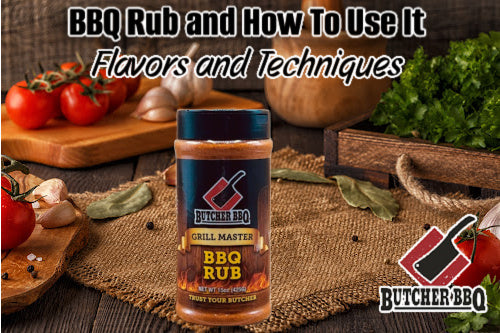
Our Texas Bark dry rub is a carefully curated mix of SPG (salt, pepper, and garlic) with added activated charcoal to help achieve that great bark appearance and flavor. Generously coat the brisket on all sides, making sure to work the seasoning into the nooks and crannies for full flavor penetration.

Oven Cooking Method
To achieve the perfect oven-cooked brisket, you'll need a few key pieces of equipment: a large, oven-safe roasting pan or Dutch oven, a meat thermometer, and a basting brush.


Preheat your oven to 275°F (135°C). Place the seasoned brisket fat-side up in the roasting pan and cover tightly with a lid or aluminum foil. This will help retain moisture and prevent the exterior from drying out.
The general rule of thumb for oven-cooked brisket is to allow 1 to 1.5 hours of cook time per pound of meat. However, it's important to monitor the internal temperature closely, as the exact cooking time can vary depending on the size, thickness, and shape of your brisket.
Maintaining Moisture
Keeping your brisket moist during the long slow cooked process is crucial. Every 30 minutes, use your basting brush to coat the top of the brisket with the rendered fat and juices that accumulate in the pan. This will help create a beautiful, glossy crust and prevent the meat from drying out.
For an extra layer of moisture, you can also place a shallow pan of water in the oven alongside the brisket. The steam will help keep the meat tender and juicy throughout the slow cooking process, enhancing the protein’s tenderness.
Checking for Doneness
The key to perfectly cooked brisket is monitoring the internal temperature. Aim for an internal temperature of 200-205°F (93-96°C) for the most tender, melt-in-your-mouth texture, with the fat cap nicely rendered. Use a reliable meat thermometer to check the temperature, inserting it into the thickest part of the brisket.
Another helpful test is the "probe test." Gently insert a toothpick or skewer into the brisket. If it slides in and out with little resistance, the brisket is ready. If you encounter any resistance, continue cooking until the probe slides through with ease.
What is the secret to a perfect tender brisket in the oven?
The secret is cooking low and slow at a consistent temperature, maintaining moisture by basting regularly, and monitoring internal temperature closely. Also, trimming excess fat and using a flavorful dry rub or BBQ sauce enhances tenderness and flavor.
Do you cook brisket at 225 or 250 in the oven?
Both 225°F and 250°F can work, but 275°F offers a good balance for home ovens, reducing total cook time while still allowing meat to break down properly. The key is consistent low heat and monitoring internal temperature rather than strictly the oven setting.
Resting and Slicing
Once your brisket has reached the desired internal temperature, it's time to let it rest. This crucial step allows the juices to redistribute throughout the meat, resulting in a more tender, juicy, and flavorful final product.
Transfer the brisket to a cutting board and let it rest for at least 30 minutes, or up to an hour for larger cuts. This resting time also helps to reduce the cholesterol- and saturated fat-rich juices from pooling when slicing.
When it's time to slice, be sure to cut against the grain of the meat. This will ensure each bite is as tender and easy to chew as possible. Butcher BBQ's competition-winning brisket sauce and BBQ sauces are the perfect accompaniment to your oven-cooked brisket, adding a tangy, smoky depth of flavor that complements the rich calcium- and iron-packed beef.
Troubleshooting Common Issues
No matter how experienced you are, brisket can be a tricky cut of meat to master. If you encounter any issues, such as a tough or dry brisket, don't worry – we've got you covered.
Tough brisket is often the result of overcooking or not cooking at a low enough temperature. If you find your brisket is on the tougher side, try slicing it thinly against the grain and serving it with a flavorful sauce or gravy to help tenderize the meat.
On the other hand, a dry brisket can be caused by undercooking or not basting it frequently enough. If your brisket is lacking moisture, try wrapping it in foil or butcher paper during the final stages of cooking to trap steam and keep the meat juicy.
Tips from the Pros
As two-time World BBQ Champions, the team at Butcher BBQ has a wealth of experience when it comes to perfecting brisket. Here are a few of our top tips for oven-cooked brisket success:
- Invest in a high-quality meat thermometer to ensure precise internal temperature monitoring and avoid over or undercooking.
- Consider injecting your brisket with meat injections before cooking to help it retain moisture and enhance flavor.
- Experiment with different dry rub blends and BBQ sauces to find your perfect flavor profile.
- Don’t neglect the fat cap—it helps render total fat and saturated fat into delicious flavor while keeping protein moist.
- Don't be afraid to let your brisket rest for up to an hour before slicing to maximize juiciness.
- Serve your oven-cooked brisket with Butcher BBQ's award-winning sauces and sides for a truly memorable meal.
Conclusion
With Butcher BBQ's foolproof oven-cooked brisket recipe, you'll be well on your way to becoming a brisket master in your own kitchen. By following our expert tips and techniques, you'll be able to achieve the perfect balance of tenderness, juiciness, and flavor every time.
So, what are you waiting for? Grab your brisket, fire up the oven, and get ready to impress your friends and family with the most delicious oven-cooked brisket they've ever tasted. Happy cooking!


Comment5
Sue Wollin: You should let it rest about 2-4 hours before slicing. As far as holding overnight. You can hold in a warming oven. But most people won’t have that. So I would think in a refrigerator has to be used.
Questions: when brisket is done do you let it rest in the pan first (for how long) before transferring to the cutting board? Reference to one commenter who let it rest overnight, the brisket would have been refrigerated, correct?
This was very helpful for me in order that I could cook a good brisket thank you so much for all the information. My husband refuses to cook brisket because I always complain that it’s too tough so now it’s my turn and I hope that I outdo him thank you for everything.
I had never cooked a brisket till this thanksgiving of 2025. Your information and directions led me to the most tender cut with a fork, extremely flavorful, and utmost juiciest brisket right out of my oven! Thank you for sharing your champion expertise!
It is greatly appreciated!